
Solid Foods
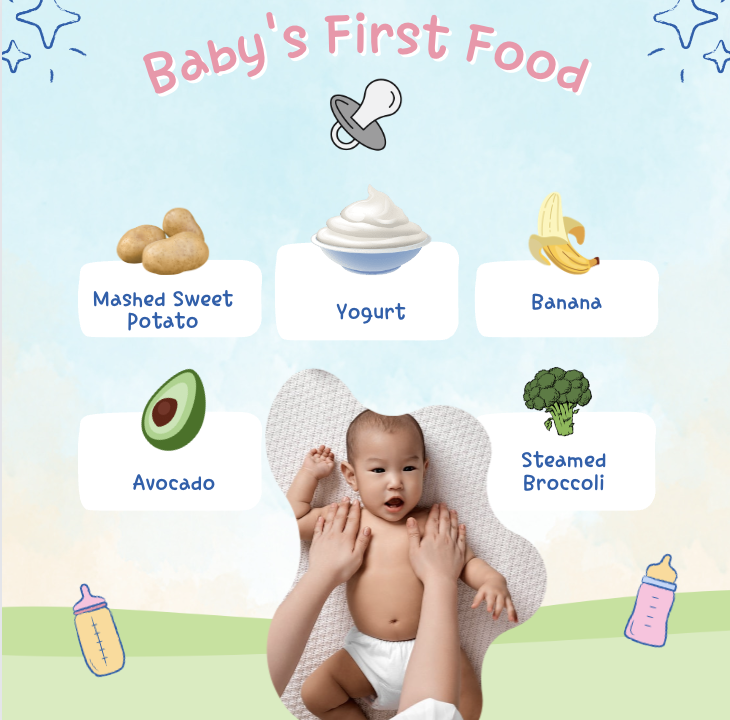
Introducing solid foods to a baby is an important milestone that typically begins around 6 months of age. Here's a step-by-step guide on how to introduce solid foods to your baby in a safe and enjoyable manner.
MPORTANT NOTE: NO HONEY for baby until age 12 months minimum. Many sources say until 2 years. It’s also encouraged to avoid refined sugars until age 2.
Consult with a Pediatrician:
Before introducing solid foods, consult your pediatrician for guidance and to ensure your baby is developmentally ready for this transition.
Wait for the Right Time:
Most healthcare professionals recommend starting solid foods around 6 months of age. At this point, your baby's digestive system is more mature and ready for new foods. All babies start to have teeth at different times as well, which can be a crucial factor in what foods you’re offering. Children should be able to sit upright unassisted/in a high chair, and have good neck/head support.
Start with Single-Ingredient Foods:
Begin with single-ingredient, iron-fortified baby rice cereal, oatmeal, or pureed fruits and vegetables. These are gentle on the stomach and allow you to monitor any potential allergic reactions.
Choose the Right Time:
Choose a time when your baby is alert and not overly hungry or tired. A small feeding before a milk feed can be a good approach.
Ensure Proper Seating:
Use a high chair or a stable seat where your baby can sit upright with support. Safety is crucial during feeding.
Use Appropriate Utensils:
For the first feedings, use a small, soft-tipped spoon to offer the food. Avoid using a bottle with a nipple for introducing solid foods.
Offer a Small Amount:
Start with a small amount of food (e.g., a teaspoon) and gradually increase the quantity as your baby becomes more accustomed to eating solids.
Watch for Allergic Reactions:
Introduce one new food at a time and wait a few days before introducing another. This helps you identify any potential allergies or intolerances.
Monitor for Choking Hazards:
Avoid offering foods that pose a choking risk, such as whole nuts, grapes, hot dogs, hard candies, popcorn, and chunks of raw vegetables.
Progress to More Textures:
As your baby becomes more comfortable with eating, gradually introduce thicker textures and lumpier foods to encourage chewing and proper swallowing.
Maintain a Routine:
Offer solid foods at regular intervals, typically 1-3 times a day, along with breast milk or formula feeds. Let your baby guide you on when they are hungry and when they've had enough.
Encourage Self-Feeding:
Introduce finger foods like small, soft pieces of fruit or cooked vegetables to encourage self-feeding and improve fine motor skills. Letting them touch the foods helps connect the dots!
Stay Patient and Positive:
Be patient and maintain a positive atmosphere during mealtimes. Encourage your baby to enjoy the experience of tasting and exploring new flavors and textures. If baby doesn’t like something today, they might like it tomorrow - try again!
Stay Hydrated:
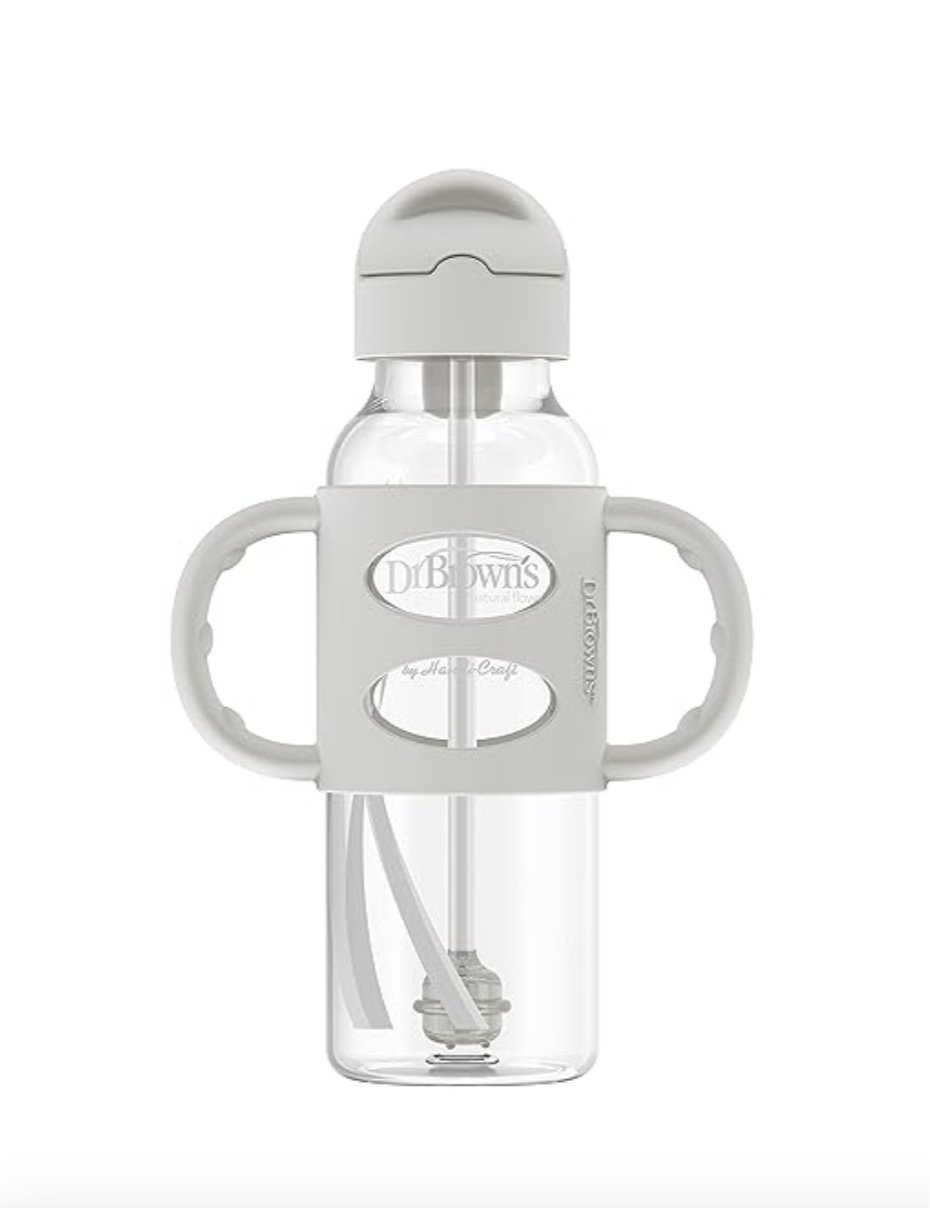
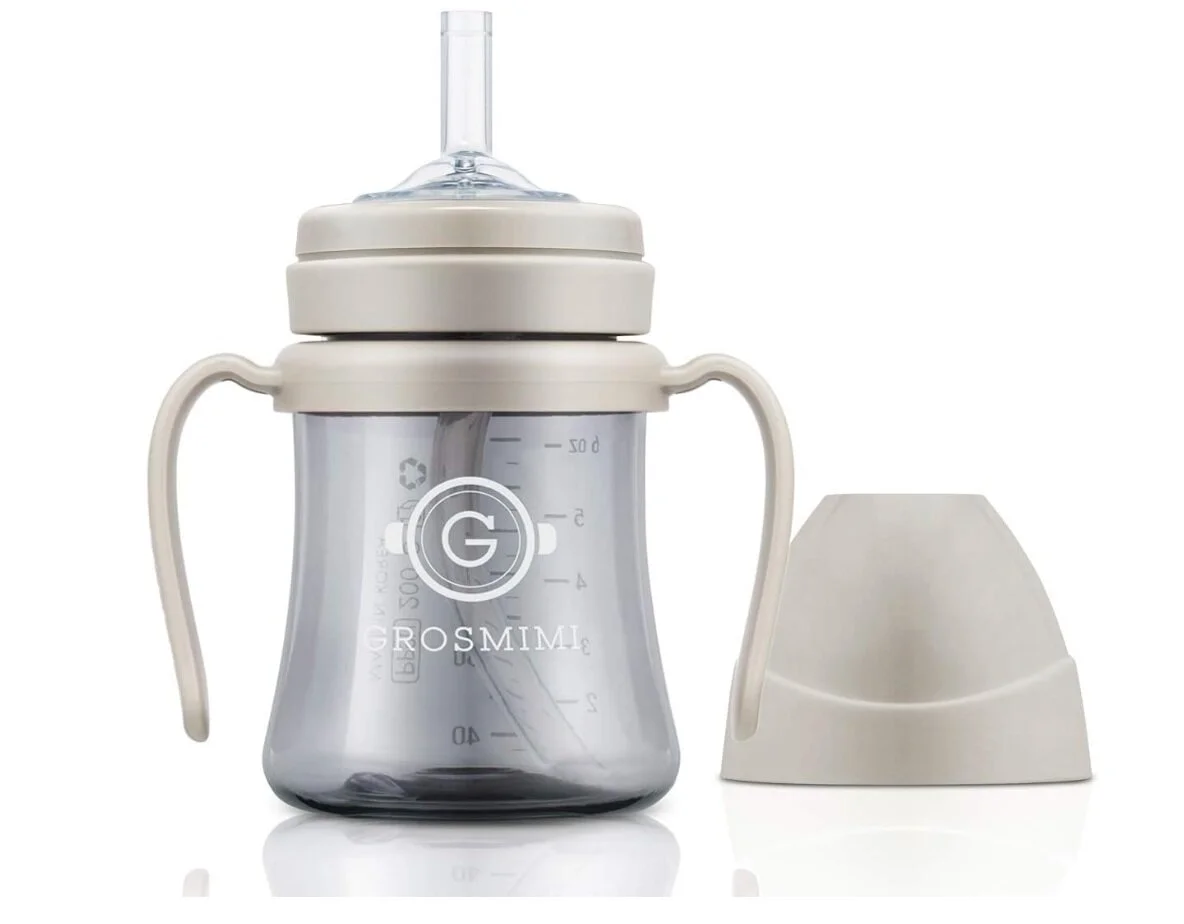
Offer water in a sippy-cup during meals to help keep your baby hydrated. No more than 2 oz at a time before they are 12 months old.
Breaastmilk/Formula is still the priority until 12 months.
Around 11 months - begin to think about transitioning baby away from the bottle
Remember, every baby is different, and they may have preferences for certain foods. Be patient and flexible, and always prioritize safety and your baby's comfort during this exciting transition to solid foods.
Leak Proof Cups for Milk and Water
-
One of the first foods to introduce to a child is typically Rice Cereal. We tried Oat Cereal which is the same consistency with a bit more vitamins and nutrients.
-
This was a super helpful way to understand how and when to introduce certain foods to my baby and recognize the goal is to have him or her try all of these before the age of one. The checklist and book can be found on Etsy and it was a fantastic research for my family, as we sought out to do the baby led weaning method. This has no affiliation to avyllage, but was simply a helpful tool that I want to share.
-
Key allergens to be aware of when your baby starts solid foods. Some providers recommend trying a little bit of each prior to age 1 to determine if an allergy is present. Offer these foods in small doses to monitor allergen. Always ask a pediatrician the best way to approach this.
Peanut
Cow’s Milk
Shellfish/Fish
Soy
Hazelnut
Almond/Walnut
Sesame
Eggs
Ready Set Food is an early allergen introduction system that starts at 4 months & introduces the top 3 food allergens – Peanut, Milk, Egg – gradually & one-at-a-time like doctors recommend.